China Destroys 20 Tibetan Villages for Yet Another Hydropower Dam in Qinghai
China has announced plans for the destruction of twenty Tibetan villages in the upper reaches of the Machu River (known in Chinese as the Yellow River) to make way for a new hydropower dam. This latest project once again illustrates Beijing’s systematic destruction of Tibetan communities in favour of industrial development.
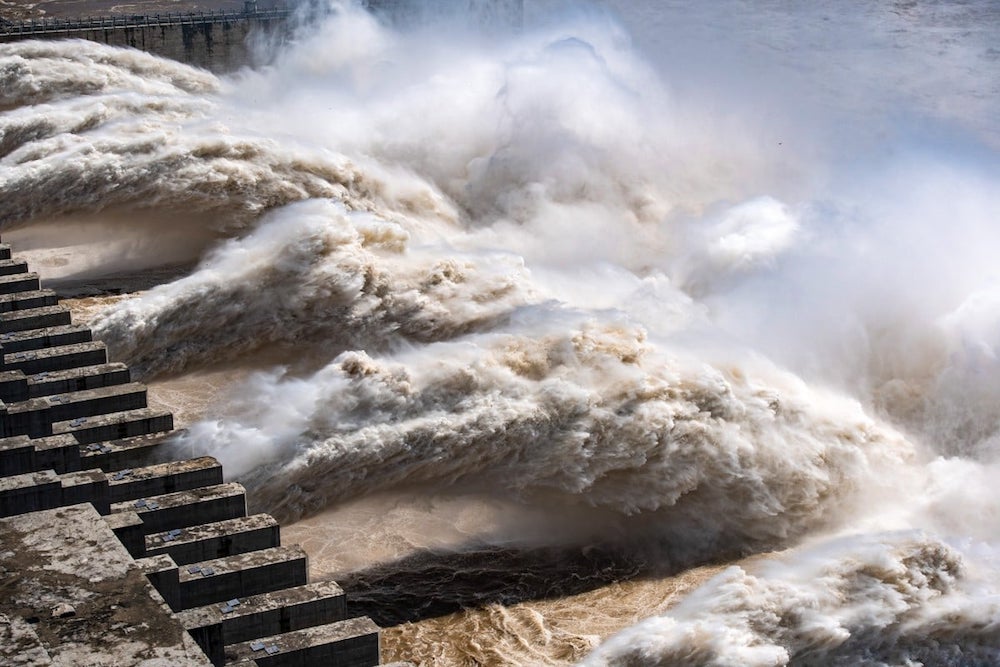 Image of the type of dams threatening Tibetan communities in Tibet.
Tsiha Gorge Dam: Latest Threat to Tibetan Culture
The new Tsiha Gorge (Chinese: Cihaxia) hydropower dam will be 254 metres tall and is located at the confluence of Badzong County in Golog Prefecture and Drakkar County in Tsolho Prefecture, both in Qinghai Province. The project requires the complete evacuation of villages that have been inhabited by Tibetans for centuries.
This dam is merely the latest component of China’s systematic campaign to industrialise the Tibetan plateau, sweeping away traditional communities for economic interests. The Chinese authorities show complete disregard for the rights of the indigenous Tibetan population.
Systematic Ethnic Cleansing Through Infrastructure
The figures speak volumes about China’s ruthless approach:
- 144,468 Tibetans have already been affected by hydropower projects
- 121,651 people have been displaced since 2000
- 22,817 people are still on the list to be displaced
- 120,000 residents must be driven out of the upper reaches of the Yellow River by 2030
These numbers represent not just statistics, but lives torn apart, communities destroyed, and a culture systematically eradicated.
Cultural Destruction Under the Guise of “Development”
The Atsok Monastery, built in 1889, was bulldozed earlier this year for the expansion of the Yangqu hydropower station. Satellite images show the complete destruction of the 18-hectare monastery complex and the neighbouring Chorten village.
This destruction of sacred sites is not a by-product of development — it is a deliberate strategy of cultural genocide. By destroying monasteries and traditional villages, Beijing is attempting to remove the spiritual and cultural foundation of the Tibetan people.
International Silence on Crimes Against Humanity
While China’s hydropower projects in Tibet are presented as “green energy,” they are in reality instruments of colonisation and ethnic cleansing. The energy generated goes to Chinese cities, while Tibetan communities lose their homeland.
The international community remains largely silent while this systematic destruction of Tibetan culture takes place. Each new dam means more displaced families, more destroyed monasteries, more lost traditions.
Resistance Despite Repression
Despite the extreme risk, at least 300 Tibetans have protested against the construction of hydropower dams in Sichuan Province. Such protests are rare due to harsh Chinese repression, making the courage of these demonstrators all the more remarkable.
Tibet Support Group Demands Action
The Tibet Support Group Netherlands condemns this flagrant violation of human rights and calls for:
- Immediate cessation of all dam projects that displace Tibetan communities
- International sanctions against Chinese officials responsible for this ethnic cleansing
- Dutch government: Put Tibet on the agenda in all bilateral contacts with China
- EU-wide moratorium on cooperation with Chinese energy companies involved in these projects
China’s energy hunger must not be satisfied with the blood of Tibetan culture. Each new dam is a step closer to the complete eradication of the Tibetan people in their own homeland.
Sources
- China to uproot 20 Qinghai Tibetan villages to build yet another hydropower dam
- 20 Tibetan villages face displacement as China plans new dam on Machu River
- Chinese Hydropower: Damning Tibet's Culture, Community, and Environment
- China Authorizes Controversial Hydropower Project in Landslide-Prone Region of Tibet
- Damming Tibet's rivers: how hydropower on the plateau is carving up Tibet's landscape